

Shopping Cart
There are no more items in your cart
- Vivien Rolf
- Training & Technique
- 0 likes
- 829 views
- 0 comments
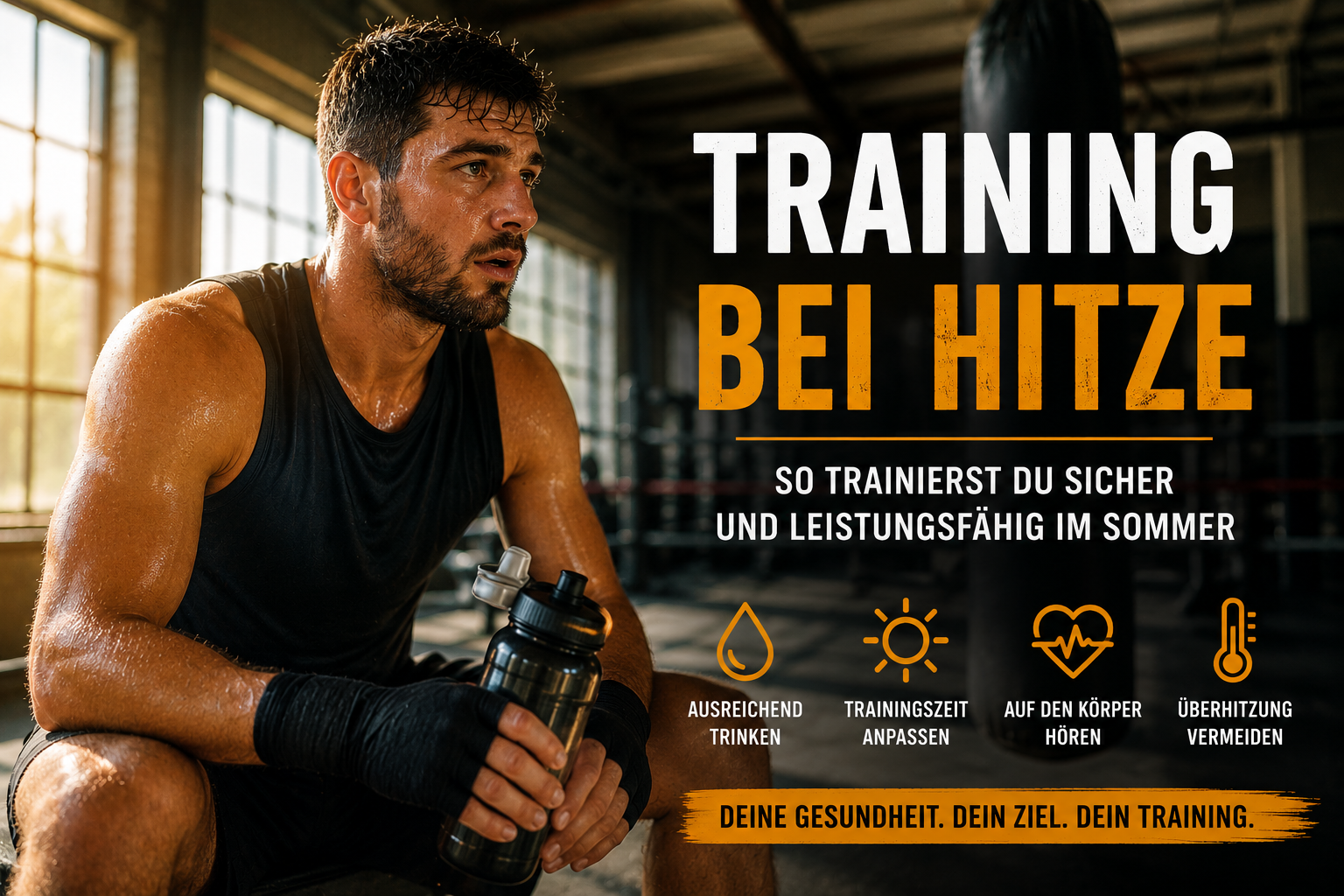
Summer is a great time to stay active, but high temperatures can put extra stress on your body. Whether you practice boxing, Muay Thai, strength training, or endurance sports, hot weather can affect your performance and recovery. By adjusting your training routine and paying attention to hydration, you can continue training safely throughout the summer months.
How Heat Affects Your Body
During exercise, your muscles generate heat. To prevent overheating, your body increases blood flow to the skin and produces sweat. While this helps regulate body temperature, it also leads to a significant loss of fluids and electrolytes.
Common effects of training in hot weather include:
- Faster fatigue
- Reduced performance
- Loss of concentration
- Muscle cramps
- Dizziness
- Increased heart rate
Ignoring these warning signs can increase the risk of heat exhaustion or heat stroke.
The Importance of Hydration
One of the biggest mistakes athletes make during summer is not drinking enough fluids.
To stay properly hydrated:
- Drink water before your workout
- Take small sips regularly during training
- Replenish lost fluids after exercise
For longer or more intense training sessions, electrolyte drinks may be beneficial, as sweating causes the loss of important minerals such as sodium and potassium.
The Best Time to Train
Whenever possible, schedule your workouts during the cooler parts of the day:
- Early morning
- Late evening
The hottest period is usually between 11 a.m. and 5 p.m. Training during these hours places additional strain on the body and may reduce performance.
Athletes can often benefit from using daytime sessions for technical work and saving high-intensity workouts for cooler conditions.
Combat Sports and Heat
Boxing gyms and martial arts facilities can become extremely warm during the summer. Combined with protective equipment and intense movement, heat stress increases significantly.
Tips for combat sports athletes:
- Reduce training intensity when necessary
- Take regular breaks
- Stay hydrated before and during training
- Listen to your body's signals
- Never start training already dehydrated
Safety should always come before pushing through exhaustion.
Nutrition During Hot Weather
Many athletes naturally prefer lighter meals during summer, which can be beneficial.
Good choices include:
- Fresh fruit
- Vegetables
- Rice
- Potatoes
- Lean meats
- Protein-rich snacks
Heavy, greasy meals may increase discomfort and make training more difficult in hot conditions.
Adequate protein intake remains important to support muscle maintenance and recovery.
Warning Signs You Should Never Ignore
Stop exercising immediately if you experience:
- Dizziness
- Nausea
- Severe headaches
- Rapid heartbeat
- Confusion
- Chills or goosebumps despite the heat
These symptoms may indicate dangerous overheating and require immediate attention.
Conclusion
Training in hot weather can be safe and effective when approached correctly. Proper hydration, smart scheduling, and listening to your body are key factors for maintaining performance and avoiding heat-related illnesses.
By making a few simple adjustments, you can continue working toward your fitness goals even during the hottest days of summer.
Comments (0)