

Shopping Cart
There are no more items in your cart
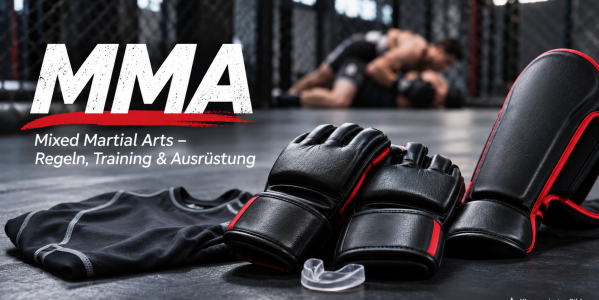
Mixed Martial Arts Rules, Training & Equipment
MMA (Mixed Martial Arts) is a combat sport that combines striking, kicking, wrestling and ground fighting. Unlike traditional boxing or kickboxing, MMA allows athletes to compete both standing and on the ground. MMA is one of the most technically demanding combat sports. Success requires more than strength and endurance. Athletes also need technique, body control, tactical awareness and discipline. But how does MMA actually work? Which techniques are allowed? Is MMA suitable for beginners? And what equipment do you need to start training? In this guide, we explain the fundamentals of Mixed Martial Arts and what beginners should know before stepping onto the mat.
Read more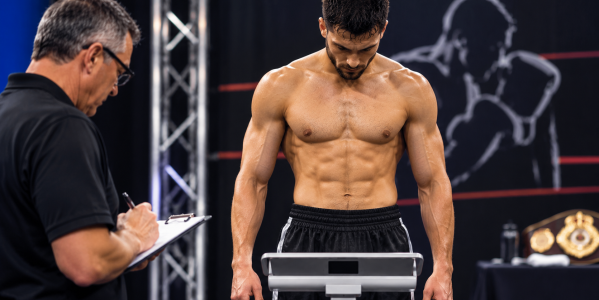
Making Weight in Boxing - Weight Cutting, Nutrition and Fight Preparation
Anyone who has watched the official weigh-in before a professional boxing match will be familiar with this phenomenon: a boxer steps onto the scales at exactly the required weight, only to enter the ring the following day several kilograms heavier. But how does this actually work? How do professional boxers reach their weight class without unnecessarily sacrificing muscle mass and physical performance? And what role do nutrition, creatine and other supplements play?
Read more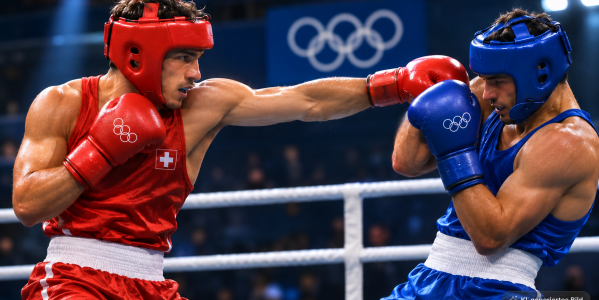
Olympic Boxing: Rules, Scoring & Equipment Explained
Olympic boxing is a full-contact combat sport in which clean punches, technical skills, tactics and ring control are essential. Compared with professional boxing, Olympic bouts are shorter, making speed, precision and the ability to win individual rounds particularly important. Olympic boxing is often called amateur boxing. However, the terms are not entirely interchangeable. Professional boxers may also be eligible to compete at the Olympic Games, provided they meet the applicable qualification requirements. But how does Olympic boxing scoring work? Which punches are allowed? Why do some boxers wear headguards while others do not? And what equipment do you need for training and competition? This guide explains the most important rules, differences and equipment requirements.
Read more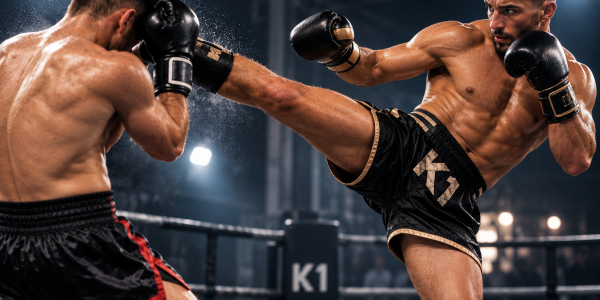
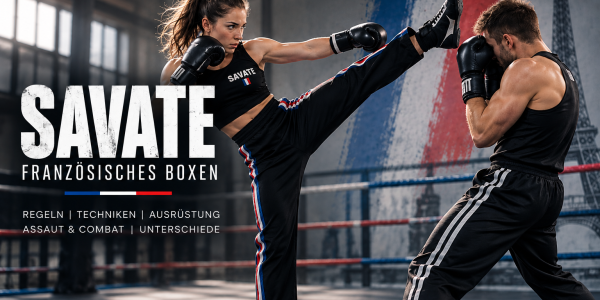
Savate: French Boxing - Rules, Techniques and Equipment Explained
Savate, also known as Savate Boxe Française or French Boxing, is a traditional French combat sport combining punches and kicks. At first glance, Savate may look similar to kickboxing. Look more closely, however, and there are significant differences in technique, rules and, most noticeably, footwear.
Read more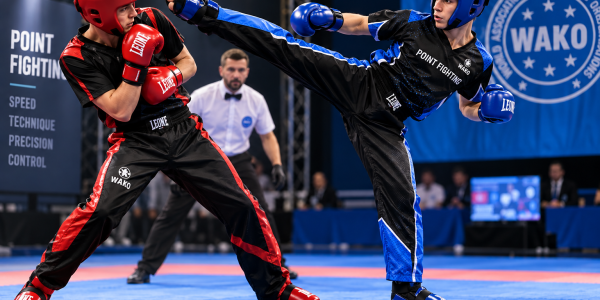
Point Fighting: Rules, Equipment and Differences Explained
Point Fighting is one of the fastest and most technical disciplines in kickboxing. Instead of relying on maximum punching power, fighters need speed, precision, excellent timing and controlled techniques. After a valid scoring technique, the action is stopped briefly before the fight continues – creating the explosive rhythm that makes Point Fighting so distinctive
Read more
Boxing Gloves for Wide Hands: Which Models Really Fit?
You put on a new pair of boxing gloves and can barely get your hands inside? Your fingers feel squeezed together, and once you add hand wraps, the gloves become even tighter? The problem isn't necessarily the number of ounces. Often, the cut of the boxing glove simply doesn't suit your hand shape.
Read more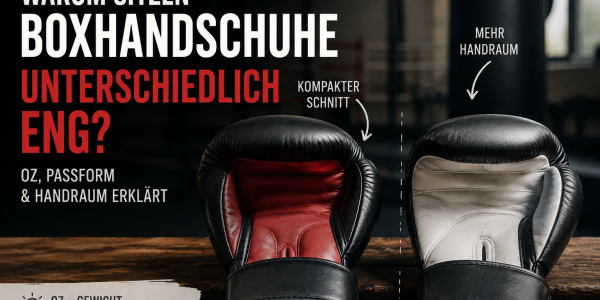
Why Do Some Boxing Gloves Feel Tighter Inside? - Fit, Hand Compartment & Brand Differences
You try on two pairs of boxing gloves with the same OZ rating – yet one feels comfortably snug while your hand has noticeably more room inside the other. Many beginners are surprised by this. After all, 10 OZ, 12 OZ, 14 OZ and 16 OZ are often presented by retailers almost as if they were different glove sizes.
Read more

Why Your Wrist Hurts When Boxing - The Most Common Causes and How to Prevent It
Wrist pain is one of the most common problems experienced by boxers. Beginners are often surprised when their wrists start hurting during training or after hitting the heavy bag. The good news is that, in most cases, the pain is not caused by a serious injury. Poor technique, unsuitable equipment or overtraining are usually the main reasons.
Read more