Olympic boxing is a full-contact combat sport in which clean punches, technical skills, tactics and ring control are essential. Compared with professional boxing, Olympic bouts are shorter, making speed, precision and the ability to win individual rounds particularly important.
Olympic boxing is often called amateur boxing. However, the terms are not entirely interchangeable. Professional boxers may also be eligible to compete at the Olympic Games, provided they meet the applicable qualification requirements.
But how does Olympic boxing scoring work? Which punches are allowed? Why do some boxers wear headguards while others do not? And what equipment do you need for training and competition?
This guide explains the most important rules, differences and equipment requirements.
What Is Olympic Boxing?
Olympic boxing is the form of boxing contested at the Olympic Games. Two athletes compete within a defined weight category, aiming to win rounds through legal punches and superior boxing performance.
The most important elements include:
- Clean and effective punches
- Technical and tactical skills
- Footwork and distance management
- Defence and counterpunching
- Fitness and concentration
- Fair play and compliance with competition rules
Contrary to a common misconception, Olympic boxing is not simply about throwing as many punches as possible.
What matters is whether punches land cleanly and how effectively a boxer applies their technical and tactical skills.
Olympic Boxing vs Amateur Boxing: What's the Difference?
The terms are frequently used interchangeably.
Historically, Olympic boxing was closely associated with amateur boxing, which was traditionally organised separately from professional boxing.
Today, the distinction is less straightforward.
Amateur boxing generally refers to boxing organised through national and international amateur-style competition structures.
Olympic boxing specifically refers to boxing at the Olympic Games and the associated international competition system.
Since the 2016 Olympic Games in Rio de Janeiro, professional boxing experience has not automatically prevented athletes from competing at the Olympics.
Professional boxers may therefore participate if they meet the relevant eligibility and qualification criteria.
What Are the Rules of Olympic Boxing?
Olympic boxing rules cover bout duration, legal punches, weight categories, protective equipment, scoring and athlete safety.
How Long Does an Olympic Boxing Match Last?
At elite Olympic level, bouts normally consist of:
3 rounds of 3 minutes, with a one-minute break between rounds.
This means nine minutes of actual boxing.
However, shorter bouts do not necessarily make Olympic boxing less physically demanding than professional boxing.
The pace can be extremely high. Athletes must establish their advantage quickly and have limited time to recover from losing a round.
Which Punches Are Allowed?
Olympic boxing permits the traditional punches used in boxing:
- Jab: a straight punch with the lead hand
- Cross: a straight punch with the rear hand
- Hook: a curved punch aimed at the head or body
- Uppercut: an upward punch delivered at close range
To count as a legal scoring blow, a punch must land correctly with the permitted striking surface of the glove on an authorised target area.
Legal targets generally include the front and sides of the head and the upper body above the belt.
Illegal actions include punching the back of the head, low blows, striking with the elbow and punching while illegally holding an opponent.
How Does Olympic Boxing Scoring Work?
Olympic boxing uses the Ten-Point Must System.
Each round is scored individually.
The winner of a round normally receives 10 points, while the other boxer receives 9 or fewer points depending on how clearly the round was won.
Judges assess factors including:
- The number of quality blows landed on the legal target area
- Technical and tactical superiority
- Competitiveness during the round
The scoring system does not simply reward the boxer who throws the most punches.
A clean, well-timed counterpunch can be more meaningful than several punches that are blocked or miss their target.
What Do 10–9 and 10–8 Mean?
10–9: One boxer wins the round, but the opponent remains competitive.
10–8: One boxer demonstrates clear superiority during the round.
More decisive scores may also be possible under the applicable rules.
Can You Win by Knockout in Olympic Boxing?
Yes.
Knockouts are possible in Olympic boxing.
A bout may also be stopped early if the referee determines that an athlete cannot safely continue.
Olympic boxing is a full-contact sport, not light-contact boxing.
Why Do Some Olympic Boxers Wear Headguards?
Headguards are one of the most frequently misunderstood aspects of Olympic boxing.
At the Olympic Games, elite male boxers have competed without headguards since 2016.
Female Olympic boxers wear headguards under the applicable competition rules.
Different requirements may apply to youth, junior, national and other international competitions.
Whether a headguard is compulsory depends on the competition category and the relevant rules.
Headguards can help reduce certain superficial injuries, such as cuts and abrasions. However, they do not reliably prevent concussions or make repeated head impacts safe.
For training and sparring, athletes should follow their coach's guidance and the rules of their boxing club.
Olympic Boxing vs Professional Boxing: Key Differences
|
Feature
|
Olympic Boxing
|
Professional Boxing
|
|
Bout duration
|
Usually 3 × 3 minutes
|
Typically more rounds, depending on the bout
|
|
Scoring
|
Ten-Point Must System
|
Commonly the Ten-Point Must System
|
|
Pace
|
Often very fast
|
Varies with the number of rounds and strategy
|
|
Headguards
|
Depend on competition category
|
Generally not worn in professional bouts
|
|
Gloves
|
Specified by competition rules
|
Weight and design depend on applicable regulations
|
|
Organisation
|
Olympic and national federation structures
|
Professional governing bodies and promoters
|
The fundamental boxing techniques remain the same: jabs, crosses, hooks, uppercuts, defensive movements, counterpunching and footwork.
The main differences are therefore not the punches themselves, but the bout duration, tactical approach and competition structure.
A professional boxer competing over many rounds may have more time to develop a strategy.
In Olympic boxing, athletes often need to establish control much sooner.
World Boxing, IBA and SwissBoxing: Who Governs Olympic Boxing?
International boxing has undergone significant changes in recent years.
For decades, the International Boxing Association (IBA) played a central role in Olympic-style boxing.
However, following a prolonged dispute with the International Olympic Committee (IOC), the IBA lost its recognition as the international federation governing Olympic boxing.
A new organisation, World Boxing, was established and has since taken on a central role in the Olympic boxing system.
What About Boxing at the 2028 Olympic Games?
Following a period of uncertainty, boxing was included in the programme for the Los Angeles 2028 Olympic Games.
World Boxing plays a central role in the international structure supporting Olympic boxing.
What Is SwissBoxing?
SwissBoxing is Switzerland's national boxing federation.
For athletes competing in Switzerland, the relevant national regulations, event requirements and international competition rules are essential.
These may cover:
- Competition licences
- Age and weight categories
- Medical and safety requirements
- Approved competition equipment
- Eligibility for national and international tournaments
Equipment approval is particularly important.
IBA-approved equipment is not automatically approved for every World Boxing competition.
Always check the requirements of the specific event before purchasing competition gear.
What Equipment Do You Need for Olympic Boxing?
The basic equipment is similar to that used for regular boxing training.
However, official competitions often have more specific requirements.
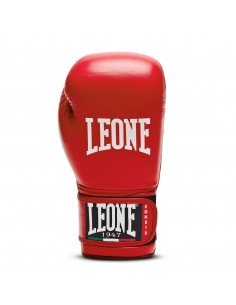
Boxing Gloves
For everyday training, you need boxing gloves that provide appropriate protection for the intended activity.
Bag work, pad training and sparring may require different glove characteristics.
Official competitions specify the required glove weights and approved models.
Important: OZ refers to the weight of boxing gloves, not their size.
For sparring, heavier and more heavily padded gloves are often used than in competition.
Lightweight competition gloves are therefore not automatically the best choice for regular training.
Hand Wraps
Hand wraps help support the hands and wrists and improve the fit of boxing gloves.
Reusable wraps are common for everyday training.
Official competitions may specify permitted materials, lengths and wrapping methods.
Boxing Headguards
Whether a headguard is required depends on the competition category and rules.
For sparring, a properly fitted headguard can be useful.
It should remain stable, allow sufficient visibility and be suitable for the intended training.
Mouthguards
A properly fitted mouthguard is an essential part of protective equipment for sparring and competition.
It should remain securely in place without significantly interfering with breathing.
Groin Guards and Chest Protection
Groin protection is an important safety consideration in boxing.
Depending on the competition category, additional protective equipment may be required.
Specific chest protection requirements may apply to female athletes.
Boxing Shoes
Boxing shoes are often underestimated.
A suitable pair should provide:
- Reliable grip
- Freedom of movement
- Stability
- Low weight
- Support during quick changes of direction
The most expensive shoes are not necessarily the best choice. Fit, comfort and suitability for the training surface are more important.
Competition Clothing
Olympic boxers typically wear boxing shorts and a sleeveless boxing vest.
Official events may have specific requirements regarding colours, design and permitted clothing.
Which Boxing Gloves Are Best for Beginners?
If you are starting Olympic-style boxing, you do not need certified competition gloves immediately.
For most beginners, suitable training gloves are the better investment.
Your choice should depend on whether you mainly train on the heavy bag, work with focus mitts or practise with a partner.
If you regularly spar, adequate padding is especially important.
Your boxing club may also have specific recommendations regarding glove weight in OZ.
A common beginner mistake is choosing the lightest competition gloves because they appear more professional.
For everyday training, they are not necessarily the most suitable option.
Olympic Boxing Equipment at Vikingstore Switzerland
At Vikingstore, we offer equipment for regular boxing training as well as competitive boxing.
Our Olympic Boxing equipment category includes boxing gloves, boxing shoes, clothing and other essential gear.
For athletes looking specifically for competition products, we also offer a selection of IBA and SwissBoxing competition equipment.
This includes products from STING, such as competition gloves, headguards and boxing clothing.
Vikingstore is an official Swiss distributor of STING.
Important for competitive athletes: Before ordering, confirm which certification is required for your specific event. IBA, World Boxing, SwissBoxing and individual organisers may apply different equipment requirements.
If you need help choosing equipment, our team can advise you at our stores in Bern and St. Gallen.
How to Start Olympic Boxing in Switzerland
The best way to begin is to join a boxing club with qualified coaches.
Beginner training usually focuses on:
- Boxing stance and guard
- Footwork
- Jab and cross
- Basic combinations
- Defensive movements
- Focus mitt and heavy bag training
- Controlled partner drills
Sparring should be introduced gradually once the necessary fundamentals are in place.
If you eventually want to compete, your coach can explain the relevant licensing, medical and competition requirements.
You do not need to aim for the Olympic Games or any other competition to benefit from boxing training.
Recreational boxing also offers a demanding combination of technical learning, coordination, physical conditioning and concentration.
Common Beginner Mistakes in Olympic Boxing
Starting Hard Sparring Too Early
Sparring is a training method, not a test of how much punishment you can absorb.
Controlled technical sparring is generally much more useful for beginners.
Focusing Only on Punching Power
Precision, timing, footwork and clean punches are essential.
Power alone is not enough to become an effective boxer.
Buying the Wrong Gloves
Training gloves and competition gloves serve different purposes.
The lightest gloves are not automatically the best choice.
Buying Competition Equipment Without Checking Approval
A product may be approved for one federation but not meet the requirements of another competition.
Always check the current event rules.
Neglecting Footwork
Without good distance control, it becomes difficult to land clean punches and avoid an opponent's attacks.
FAQ: Olympic Boxing
What Is the Difference Between Olympic Boxing and Amateur Boxing?
Olympic boxing refers specifically to boxing at the Olympic Games. Amateur boxing is the traditional term for boxing organised through amateur-style federation structures. The terms overlap but are not completely identical.
How Many Rounds Are There in Olympic Boxing?
Elite Olympic boxing bouts normally consist of three rounds of three minutes, with a one-minute break between rounds.
Can Olympic Boxing Matches End in a Knockout?
Yes. Knockouts and early referee stoppages are possible in Olympic boxing.
Do Olympic Boxers Wear Headguards?
Elite male boxers compete without headguards at the Olympic Games. Female boxers and athletes in other competition categories may be subject to different requirements.
How Is Olympic Boxing Scored?
Olympic boxing uses the Ten-Point Must System. Judges assess quality scoring blows, technical and tactical superiority, and competitiveness.
What Boxing Gloves Are Required for Olympic Boxing?
For training, use appropriate training gloves. Official competitions require gloves that meet the specific event's weight and approval requirements.
Where Can I Buy Olympic Boxing Equipment in Switzerland?
Vikingstore offers Olympic boxing equipment for training and competition. You can order online throughout Switzerland or visit our stores in Bern and St. Gallen for advice.
Conclusion: Olympic Boxing Is About More Than Punching Power
Olympic boxing is a technically and tactically demanding full-contact sport.
Its short bouts require accurate punches, quick decisions, effective footwork and excellent concentration.
It should not be mistaken for a harmless or simplified version of professional boxing. Olympic boxing has its own competition structures, scoring criteria and safety requirements.
If you are just getting started, focus on learning proper technique and choosing suitable training equipment.
For official competitions, remember that equipment approval is just as important as equipment quality.
Explore the Olympic Boxing equipment selection at Vikingstore to find suitable products for your training.
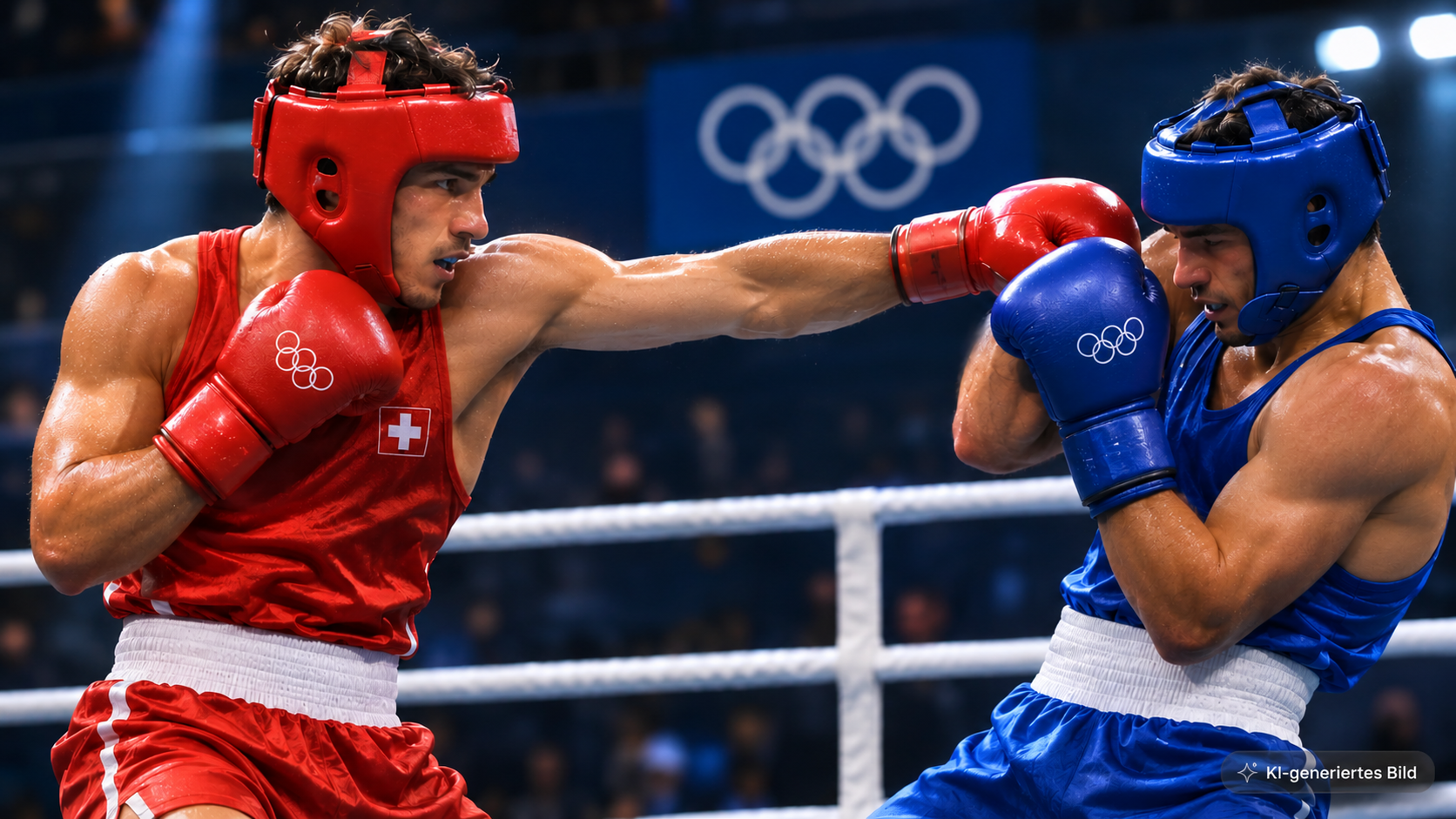
Notice About the Images
The images used in this article were created using artificial intelligence (AI). All depicted individuals are entirely fictional and do not represent real athletes.
Naturally, we would prefer to show you real boxers and athletes. However, professional sports photography often involves substantial licensing costs, which can quickly amount to several hundred Swiss francs per image. To keep our content freely accessible, we occasionally use AI-generated illustrations.





Comments (0)