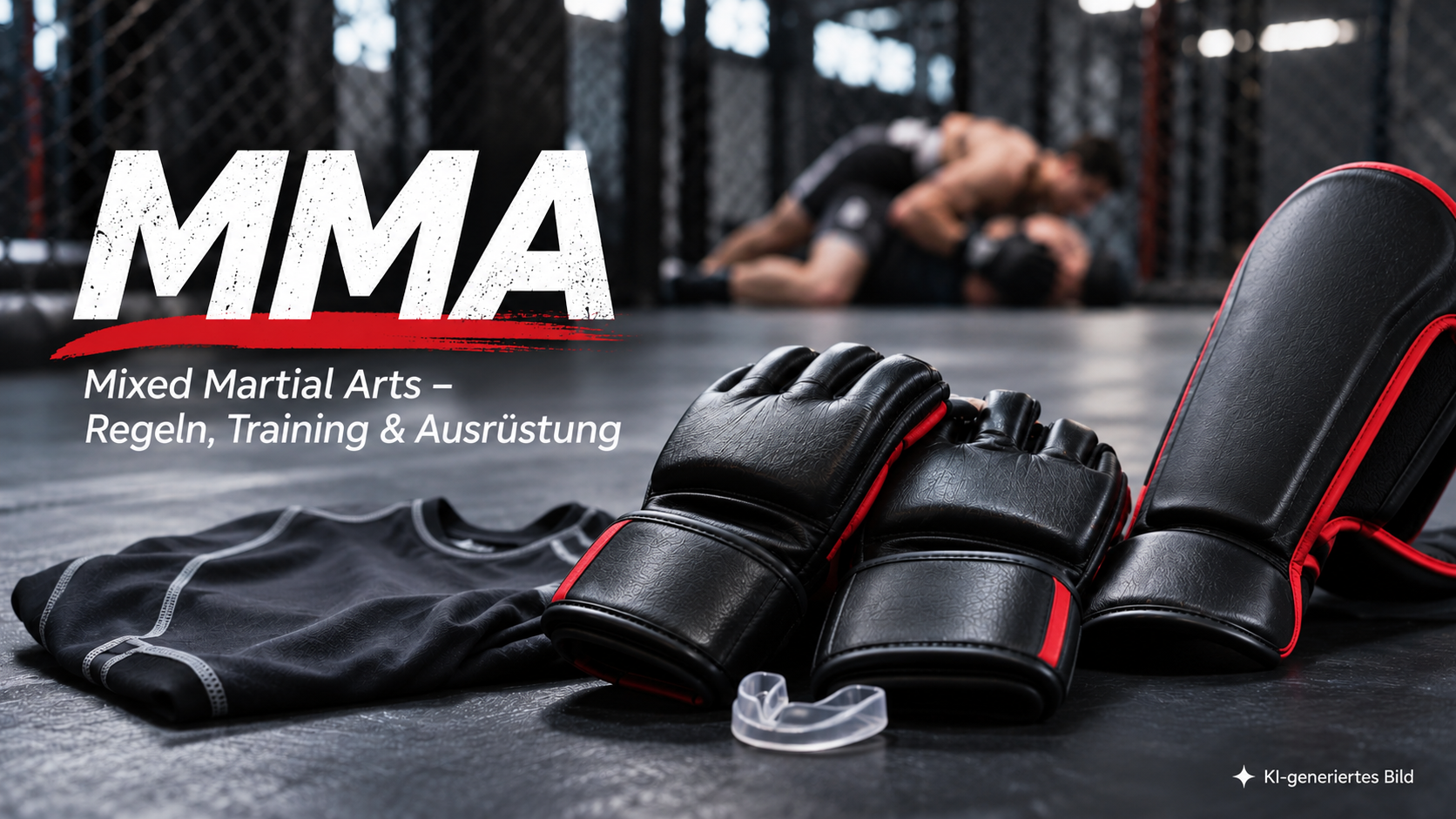
MMA (Mixed Martial Arts) is a combat sport that combines striking, kicking, wrestling and ground fighting. Unlike traditional boxing or kickboxing, MMA allows athletes to compete both standing and on the ground.
MMA is one of the most technically demanding combat sports. Success requires more than strength and endurance. Athletes also need technique, body control, tactical awareness and discipline.
But how does MMA actually work? Which techniques are allowed? Is MMA suitable for beginners? And what equipment do you need to start training?
In this guide, we explain the fundamentals of Mixed Martial Arts and what beginners should know before stepping onto the mat.
What Is MMA?
MMA stands for Mixed Martial Arts, a combat sport that combines techniques from several martial arts disciplines.
The main disciplines include:
- Boxing: Punching techniques, defensive movements and footwork.
- Muay Thai and Kickboxing: Kicks, knee strikes and other stand-up techniques.
- Brazilian Jiu-Jitsu (BJJ): Ground fighting, positional control, joint locks and chokes.
- Wrestling: Takedowns, body control and takedown defence.
- Judo: Throws, balance techniques and ground control.
In MMA, being a good striker is not enough. Athletes must learn to transition between different fighting distances and situations.
For example, a skilled boxer may have an advantage during stand-up exchanges, while an experienced grappler might attempt to take the fight to the ground.
What makes MMA unique is the combination of different martial arts into one regulated combat sport.
How Does an MMA Fight Work?
An MMA fight usually begins with both competitors standing.
Athletes can use permitted punches and kicks, engage in clinch fighting or attempt to take their opponent to the ground.
Unlike boxing, the fight continues on the ground. Fighters can control positions, deliver permitted strikes or attempt submission techniques.
An MMA fight can end in several ways:
- Knockout (KO): A fighter becomes unable to continue following a legal strike.
- Technical Knockout (TKO): The referee stops the fight, for example when a competitor can no longer defend themselves effectively.
- Submission: A fighter taps out or verbally submits due to a joint lock or choke.
- Decision: Judges determine the winner if the fight reaches the end of the scheduled rounds.
- Other outcomes: Disqualification, technical decisions or other results under the applicable rules.
Professional MMA fights under the Unified Rules usually consist of three five-minute rounds.
Championship fights commonly consist of five five-minute rounds.
Amateur and youth competitions may follow different round lengths and regulations.
What Are the Rules of MMA?
MMA is not a sport without rules. Competitions operate under clearly defined regulations designed to protect athletes and ensure fair competition.
Rules vary depending on the governing organisation, competition level and age category.
Generally prohibited actions include:
- Eye gouging and intentional attacks to the eyes
- Biting
- Strikes to the back of the head or spine
- Manipulation of individual fingers or toes
- Groin attacks
- Unsportsmanlike conduct and attacks after the referee has stopped the action
Certain techniques, including elbow strikes and knees to the head, may be permitted in professional MMA but restricted or prohibited in amateur competitions.
Important: Always check the current regulations of the relevant federation or event organiser before competing.
Professional, amateur and youth MMA rules are not necessarily identical.
What Is the Difference Between MMA, Boxing and Kickboxing?
Although these combat sports share certain striking techniques, they differ significantly.
|
Combat Sport
|
Main Techniques
|
|
Boxing
|
Punches while standing
|
|
Kickboxing
|
Punches and kicks according to the applicable rules
|
|
MMA
|
Punches, kicks, takedowns, ground fighting and submissions
|
The biggest difference is ground fighting.
Boxers primarily focus on punching technique, distance management and footwork.
MMA athletes must additionally learn how to defend takedowns, control opponents on the ground and escape submission attempts.
This makes MMA a particularly versatile combat sport.
Is MMA Suitable for Beginners?
Yes, MMA is suitable for beginners, even without previous martial arts experience.
You do not need to master boxing, kickboxing or Brazilian Jiu-Jitsu before joining an MMA class.
A well-structured beginner programme introduces the fundamentals gradually.
Typical beginner training includes:
- Fighting stance and footwork
- Basic punching and kicking techniques
- Safe falling techniques and takedown defence
- Introduction to grappling and ground fighting
- Conditioning, mobility and body control
Choosing a qualified MMA gym with experienced coaches is particularly important.
Hard sparring is not necessary when starting out and should not be part of every training session.
Technical drills, controlled partner exercises and gradual progression provide a better foundation for long-term development.
How Often Should You Train MMA?
Beginners can make progress with just two MMA training sessions per week.
As fitness and technical ability improve, training frequency can gradually increase.
|
Training Frequency
|
Typical Goal
|
|
1–2 sessions per week
|
Learn the basics and improve general fitness
|
|
3–4 sessions per week
|
Develop technique, endurance and consistency
|
|
5–7 sessions per week
|
Structured training for experienced athletes, including planned recovery
|
Training more frequently does not automatically mean progressing faster.
Recovery, adequate sleep and appropriate training intensity are essential for sustainable improvement.
What Equipment Do You Need for MMA?
Choosing the right MMA equipment depends on the type of training you intend to do.
Striking, grappling, sparring and competition all place different demands on protective equipment.
Beginners typically need suitable gloves, a mouthguard and comfortable training clothing.
Depending on the training session, shin guards, groin protection and additional protective equipment may also be necessary.
1. MMA Gloves
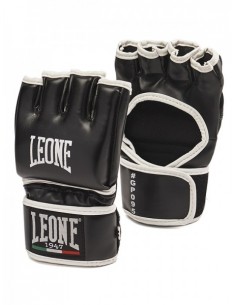
MMA gloves are significantly different from traditional boxing gloves.
Their open-finger design allows athletes to grip, wrestle and perform ground-fighting techniques.
There are two main types.
MMA Competition Gloves
Competition gloves are compact and designed to allow freedom of movement.
Many professional competition gloves weigh approximately 4 OZ, although requirements depend on the governing organisation and competition regulations.
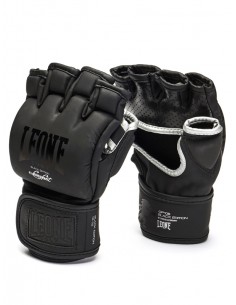
MMA Sparring Gloves
Sparring gloves generally feature additional padding to provide more cushioning during appropriate controlled partner drills.
However, not every MMA sparring glove is suitable for every type of sparring.
For intensive heavy bag training, traditional boxing gloves or suitable bag gloves are often a better choice.
Explore our MMA, Grappling & Sparring Gloves.
2. MMA Shin Guards
Kicking is an important part of MMA, making shin guards particularly useful during certain partner drills.
Different designs are available, including traditional shin guards with straps and close-fitting sleeve-style models.
For training that combines striking and grappling, shin guards should fit securely and minimise movement.
Hard or bulky fastening systems can interfere with certain ground-fighting exercises.
Explore our Shin Guards & Foot Protection.
3. Mouthguards and Groin Protection
A properly fitted mouthguard is an important part of contact-sport equipment.
Groin protection may also be required or recommended depending on the training activity and competition rules.
Both should fit correctly without unnecessarily restricting movement.
Protective equipment can reduce certain injury risks, but it cannot eliminate them.
Discover our Combat Sports Protective Equipment.
4. Rashguards and MMA Shorts
A rashguard is a close-fitting athletic top commonly worn during MMA and grappling.
It helps provide a comfortable layer between the skin and the training mat.
MMA shorts should allow unrestricted movement for kicks, knee strikes, wrestling and ground fighting.
For partner training, clothing should ideally be free from exposed zippers, sharp fasteners and unnecessary metal components.
Can MMA Help Build Muscle and Lose Weight?
MMA engages numerous muscle groups and combines strength, coordination, cardiovascular endurance and explosive movement.
Regular training can improve physical fitness, muscular endurance and overall athletic performance.
Some muscle development is possible, especially for beginners.
However, athletes who want to maximise muscle growth generally benefit from combining MMA with structured strength training.
MMA can also increase energy expenditure and support weight management.
Long-term weight loss still depends primarily on overall energy balance.
The number of calories burned during MMA training varies considerably depending on body weight, session duration, intensity and rest periods.
Therefore, general calorie-burning estimates should be treated cautiously.
Is MMA Dangerous?
MMA is a full-contact combat sport and involves a risk of injury.
Potential injuries include damage to muscles, joints, hands and the head.
Head injuries and concussions are particularly important safety concerns.
Training conditions can influence the level of risk.
Beginners should prioritise:
- Qualified coaching and supervised training
- Appropriate protective equipment
- Correct technical execution
- Sparring only when adequately prepared
- Clear communication with training partners
- Sufficient recovery between demanding sessions
Protective equipment cannot guarantee complete safety.
In particular, headgear does not prevent concussions.
If a concussion is suspected, training must stop immediately and the athlete should receive appropriate medical assessment.
MMA in Switzerland: What Should Beginners Know?
If you want to start MMA in Switzerland, finding a suitable martial arts gym is an important first step.
Look for a club that provides structured beginner classes, experienced coaches and a strong focus on technical development and safety.
Many MMA gyms offer separate classes for:
- Striking
- Grappling
- Brazilian Jiu-Jitsu
- Wrestling
- General MMA training
This approach allows beginners to develop individual skills before combining them.
You do not need to compete professionally to enjoy MMA.
Many people train simply to improve their fitness, learn self-defence-related skills or enjoy a challenging combat sport.
Buy MMA Equipment in Switzerland – Vikingstore
Choosing suitable equipment is particularly important when purchasing MMA gloves and protective gear.
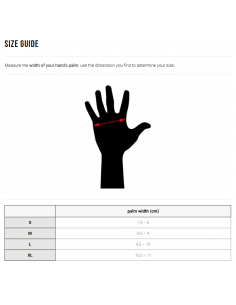
Competition gloves are not automatically suitable for regular sparring, and sizing can vary considerably between manufacturers.
At Vikingstore, we offer MMA and combat sports equipment for different training requirements.
Our goal is to help athletes find equipment that suits their sport, experience and intended use.
Explore our MMA Equipment in our Swiss online shop.
You can also visit our specialist stores in Bern and St. Gallen for personal advice.
Frequently Asked Questions About MMA (FAQ)
What Does MMA Stand For?
MMA stands for Mixed Martial Arts. It is a combat sport combining striking, wrestling, ground fighting and submission techniques from different martial arts disciplines.
Is MMA the Same as UFC?
No. MMA is the sport, while the UFC (Ultimate Fighting Championship) is a major organisation that promotes professional MMA events. MMA is practised and competed in worldwide, independently of the UFC.
Can You Start MMA Without Experience?
Yes. Many MMA gyms offer beginner classes that introduce punching, kicking, takedowns, grappling and defensive techniques step by step.
How Long Does It Take to Learn MMA?
Basic techniques can be learned within several months. Developing proficiency across striking, wrestling and ground fighting generally requires years of consistent training. Progress depends on coaching, training frequency and individual ability.
Which MMA Gloves Are Best for Beginners?
Beginners often benefit from padded MMA training or sparring gloves, depending on the session. Traditional boxing gloves may also be needed for heavy bag work and certain striking drills. Ask your coach which gloves are appropriate.
Can MMA Help You Lose Weight?
Yes. MMA training can increase calorie expenditure and improve physical fitness. Weight loss depends on maintaining an appropriate energy balance over time.
Do You Have to Fight When Training MMA?
No. MMA can be practised recreationally without entering competitions. Many people focus on technical training, fitness and controlled partner exercises rather than competitive fighting.
What Is the Difference Between MMA and Brazilian Jiu-Jitsu?
Brazilian Jiu-Jitsu primarily focuses on ground fighting, positional control and submissions. MMA combines these techniques with punches, kicks, takedowns and other fighting methods.
How Many Ounces Are MMA Gloves?
Many professional MMA competition gloves weigh approximately 4 OZ. MMA sparring gloves generally offer additional padding. Amateur and youth competitions may have different requirements, so always check the applicable rules.
Is MMA Suitable for Women?
Yes. MMA can be practised by women and men at different fitness and experience levels. Suitable coaching, appropriate training partners and correctly fitting equipment are essential.
Conclusion: MMA Is More Than Just Fighting
Mixed Martial Arts combines several combat sports into one technically demanding and versatile discipline.
You do not need previous martial arts experience to begin.
Patience, consistent training and a willingness to learn are far more important.
Beginners should focus on developing proper technique, body control and safe training habits before increasing intensity.
Ready to start MMA or upgrade your training equipment?
At Vikingstore, you can discover MMA Gloves, Protective Equipment & Combat Sports Accessories for different training needs.
Our team is happy to help you choose equipment that matches your training goals.
Vikingstore – Your Swiss Specialist for Combat Sports Equipment.





Comments (0)