Kick boxing
Kickboxing originated in the early seventies from a combination of boxing and karate. In the 1990s, this competitive discipline was given new impetus by Andy Hug: he revived the original fighting spirit of karatedo, integrated traditional budo values and enriched the training with methods from various martial arts.
In line with this philosophy, we combine Asian training methods with insights from our modern training theory when organising our classes. This results in a versatile fitness training programme for amateur athletes with demanding mental challenges. Self-defence skills are also developed effectively.
In general training and up to the age of twenty, only light physical contact is used. Active competitors are encouraged in special training sessions.
We have developed a training programme for children and young people, which offers comprehensive coordinative training, promotes physical and mental performance, supports personal development and is orientated towards educational and health principles.
A distinction is made between semi-, light- and full-contact with or without low kicks. All four systems are practised worldwide. There are also the form competitions (katas)
Kickboxing is:
A sporting, fair duel in which fights are fought according to strict rules with feet (kicking) and fists (boxing).
A true sport that requires a high level of technical skill, good physical condition, tactical intelligence, high moral standards, good agility and a strong will.
A modern sport that has developed from and according to the latest sports science findings and which is open to all the innovations that modern sports research brings with it.
A safe sport in which fighters wear safety equipment on their head, hands and feet, as well as tooth, shin and chest protectors to minimise the risk of injury.
Semi-Contact:
In semi-contact kickboxing, the hand and foot techniques may only make light contact. K.O.-SchlHits are not permitted. In competitions, the fight is interrupted after each hit and the score is announced. This sport is particularly suitable for women and young people, as the risk of injury is almost completely eliminated.
Light-Contact:
Light-contact kickboxing (light contact) differs from semi-contact mainly in the competitions, whereby the fight is only interrupted in the event of rule violations.
Kick-Light:
Light contact kickboxing with a low kick is a variant of light contact where punches to the thigh are also permitted.
Full-Contact:
In full-contact kickboxing, the hand and foot techniques are executed with full contact and can be used to K.O. of the opponent. Full-Contact may only be used with sufficient Light-Contact experience, as the slightest carelessness can lead to the opponent's death K.O. or injury.
Full-Contact with Low-Kick:
Full-contact kickboxing with a low kick is a variant of full-contact where punches to the thigh are also permitted.
What equipment do we need?
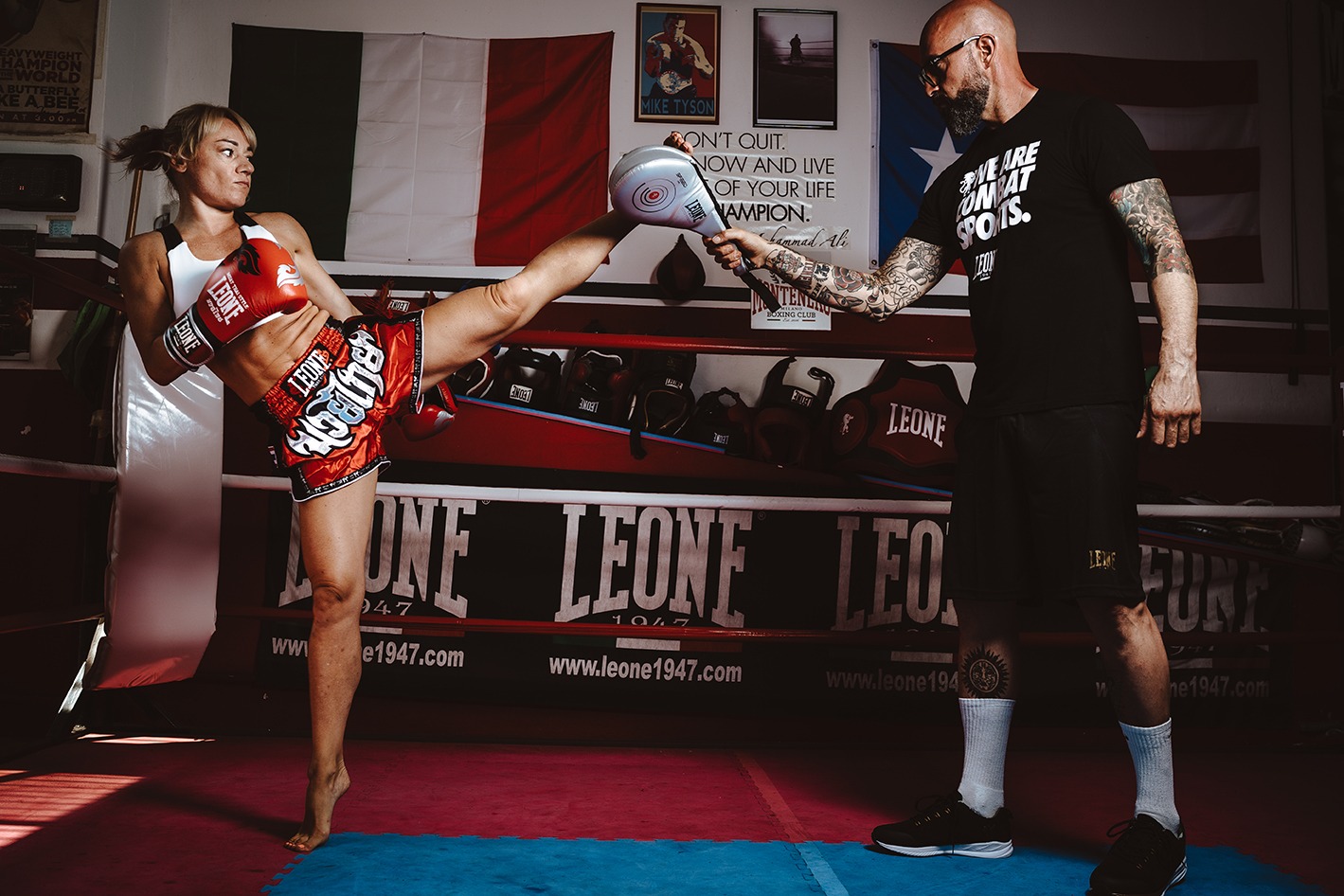
Kickboxing requires extensive protective and training equipment. Appropriate equipment is essential for injury-free training and competitions.
First and foremost, of course, is always a MouthguardThat protects your jaw and your teeth, and of course a Groin guard. On the other hand, for the competition Boxing glovesAnd other protective equipment, such as Shin or foot protectors and Head protection, required.
The Groin guardIs probably the most important thing. I probably don't need to explain why. But even with groin protection, deep kicks can cause considerable pain. That's why you should be careful despite your groin guard and make sure that your opponent's leg doesn't slip under your own leg into the "target", especially when you kick. Blocking with your legs is effective protection against low kicks.
The MouthguardProtects the lips on the one hand and the teeth on the other. The mouth must always be kept closed during the fight so that the tongue does not get between the teeth.
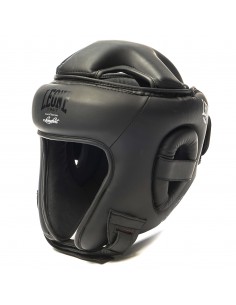
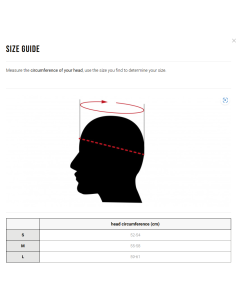
Amateurs wear a helmet when fighting Head protection. You shouldn't do without it during training either, especially to avoid ear injuries. I myself had a ruptured eardrum because an opponent's glove hit me right on the ear.
The Boxing glovesShould be as heavy as possible (= softer) for training with the partner (12 or 14 OZ). BandagesShould be worn around the wrists and fingers to protect them from injury. The bandage is wrapped around the finger and wrist joints. Each finger can also be bandaged individually. In any case, the thumb should be bandaged. When bandaging, you can clench a fist in between so that the bandage is not too tight. Rolling up the bandage makes it easier to apply. Here you will find a selection of good Boxing glovesAnd BandagesFor kickboxing.
The Foot protectorShould sit firmly on the foot and also cover the heel for hooked kicks. The lower running surface and therefore the ball of the foot are not protected. This should be considered for straight kicks and side kicks to the opponent's head.
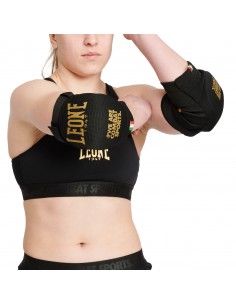
Mock leg protectorsProtect the shins from colliding when kicking with a partner at the same time. They can also protect the partner if the shin is used as a striking surface - as in Thai boxing. This applies in particular to so-called low kicks with the shins on the opponent's legs.
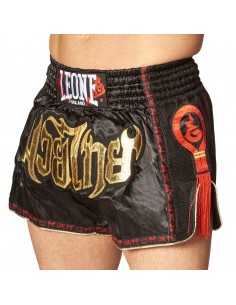
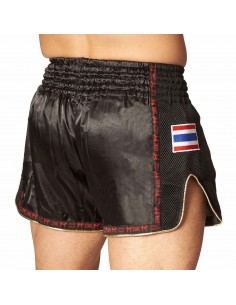
No specific kickboxing clothing is required. The Kickboxing trousers should, however, offer sufficient freedom of movement (such as z.B. Muay Thai shorts) so that high kicks can also be performed. There is also special kickboxing clothing that you can buy from us online or in the ShopsCan buy.

















Comments (0)