Whether you train Kickboxing, Muay Thai or K1, shin guards are one of the most important pieces of protective equipment in combat sports. Many beginners buy the cheapest model at first and only later realize how big the differences really are.
During sparring and kick training, shin meets shin regularly. Without proper protection, this can quickly lead to:
- bruises
- swelling
- painful impacts
- shin irritation
- training breaks
Good shin guards make training safer, more comfortable and allow you to train harder with confidence.
The Main Types of Shin Guards
In combat sports, shin guards are usually divided into:
- thin cloth shin guards
- hard padded shin guards
- separate shin and foot protectors
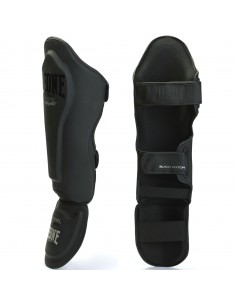
- combined shin and foot guards
Each type has advantages depending on your training style and experience level.
Thin Cloth Shin Guards
These shin guards are made from elastic fabric with light padding.
Many beginners buy them because they are:
- cheaper
- lightweight
- flexible
- comfortable to wear
They are commonly used for:
- beginner classes
- light technical training
- children’s training
- light contact training
However, many fighters notice fairly quickly that cloth shin guards reach their limits once training becomes harder.
Disadvantages include:
- limited protection
- less shock absorption
- they move around more easily
- hard kicks are felt much more directly
For heavy sparring or advanced training, they are usually no longer enough.
Hard Padded Shin Guards
These are the classic shin guards with thick foam padding and multiple Velcro straps.
They provide:
- much better protection
- stronger impact absorption
- better stability
- more safety during sparring
The difference becomes obvious immediately during hard low kicks.
That is why most advanced fighters and coaches recommend hard shin guards fairly quickly.
In Muay Thai and Kickboxing, they are considered standard equipment for sparring.
Separate Foot and Shin Protection
There are also differences between separate and combined systems.
Separate Shin and Foot Protectors
In some combat sports, shin guards and foot protection are worn separately.
This is especially common in WAKO competitions, where separate systems are often required depending on the discipline and rules.
These setups usually include:
- separate shin guards
- separate foot protectors
- lighter competition equipment
Advantages:
- lighter feeling
- more flexibility
- suitable for competition
- individual parts can be replaced separately
Disadvantages:
- can move around more
- less compact
- slightly less protection than heavily padded combined models
These systems are especially common in:
- Point Fighting
- Light Contact
- Kick Light
Combined Shin and Foot Guards
With these models, the shin and foot protection are connected together.
Advantages include:
- better overall protection
- stronger stability
- improved comfort during sparring
- thicker padding
That is why they are extremely popular in Muay Thai, K1 and hard sparring sessions.
Many experienced fighters prefer combined shin guards for daily training because they provide more protection and stay in place better.
Leather or Synthetic Leather?
The material also plays an important role.
Genuine Leather
Advantages:
- durable
- long lasting
- premium feel
- adapts better to the leg
Disadvantages:
- more expensive
- requires some maintenance
Synthetic Leather / PU
Many modern shin guards use high quality synthetic leather.
Advantages:
- more affordable
- easy to clean
- resistant to sweat
Disadvantages:
- cheaper models wear out faster
What Should You Look for When Buying Shin Guards?
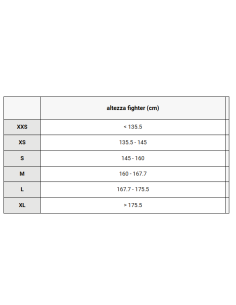
Correct Size
A shin guard should:
- fully cover the shin
- fit tightly without slipping
- provide proper foot protection
- stay comfortable during movement
Shin guards that are too small protect poorly. Models that are too large often rotate during training.
Padding
Good padding is extremely important during sparring.
Many cheap shin guards save money exactly in this area.
Anyone training regularly should invest in decent protection.
Stability and Fit
Important features include:
- strong Velcro straps
- elastic foot loops
- anatomical shape
- secure fit around the calf and foot
Nothing is more annoying than shin guards constantly twisting during training.
Common Mistakes When Buying Shin Guards
Many beginners buy:
- only based on price
- very thin cloth shin guards
- the wrong size
- low quality models with weak padding
Most eventually upgrade to stronger hard shin guards once sparring becomes more intense.
Cleaning and Care
Shin guards absorb a lot of sweat. Leaving them wet inside a gym bag quickly causes bad smells and material damage.
Important tips:
- always let them dry after training
- never leave them wet in your bag
- wipe them regularly
- use antibacterial spray
- keep Velcro straps clean
Proper care helps shin guards last much longer.
Which Shin Guards Are Best for Beginners?
Many beginners start with cloth shin guards because they are cheaper.
For light technical training, this is often enough at first.
But once sparring becomes more serious, most fighters eventually switch to hard padded shin guards because they offer much better protection and comfort.
Buying Shin Guards in Switzerland
At the Vikingstore you can find shin guards for:
- Kickboxing
- Muay Thai
- K1
- sparring
- beginners
- advanced fighters
From lightweight cloth shin guards to heavily padded professional models.
Many models can also be viewed and tried on directly in the stores in Bern and St. Gallen.
Conclusion
The differences between shin guards are much bigger than many beginners expect.
Especially the difference between thin cloth shin guards and hard padded models is enormous.
Many fighters start with cheaper cloth shin guards but eventually upgrade once training intensity increases.
If you train regularly, pay close attention to:
- protection
- padding
- fit
- durability
- stability
Because good shin guards not only improve safety, they also make training more comfortable and effective.
Notice about the images:
Some images used in this article were created with artificial intelligence (AI). The people shown are completely fictional and do not represent real athletes.
Professional combat sports photography is often extremely expensive and can cost several hundred Swiss francs per image. To continue offering free content, AI-generated illustrations are sometimes used.





Comments (0)