

Shopping Cart
There are no more items in your cart
- Vivien Rolf
- Bodybuilding
- 0 likes
- 211 views
- 0 comments
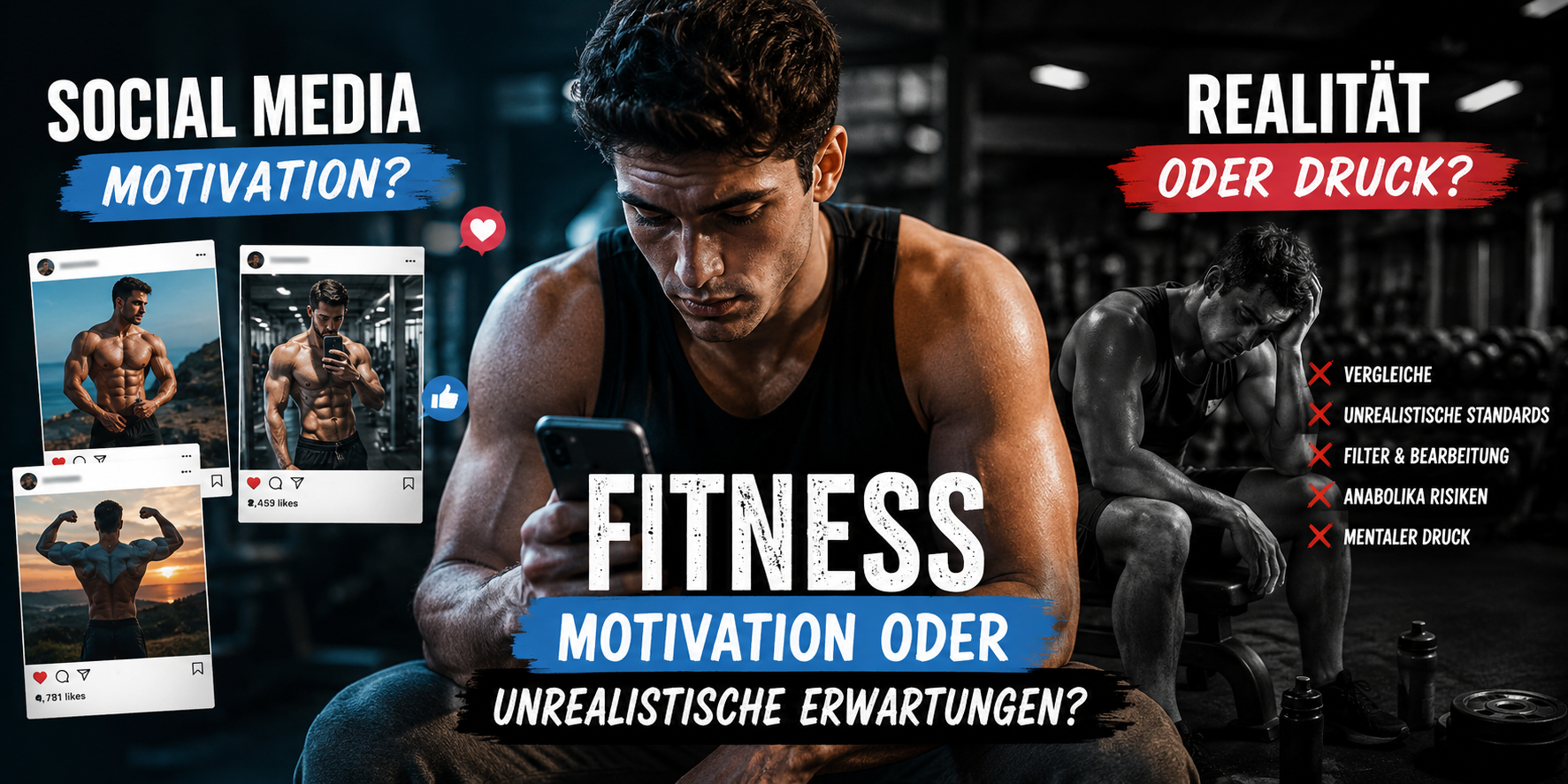
Instagram, TikTok, and YouTube are filled with impressive fitness videos. Muscular physiques, shredded abs, and dramatic transformation photos attract millions of views every day. For many people, they provide the motivation to start working out or stay committed to their fitness goals.
However, social media also has a downside. The line between inspiration and unrealistic expectations is often very thin. Constantly comparing yourself to seemingly perfect bodies can quickly distort your perception of what is actually achievable.
Social Media and Fitness – A Blessing or a Curse?
Fitness content isn't inherently bad. In fact, it has inspired countless people to begin strength training, boxing, running, or simply living a healthier lifestyle.
Some of the positive aspects include:
- Motivation to exercise consistently
- Learning new training techniques and exercises
- Nutrition and recovery tips
- Connecting with like-minded people
- Encouragement to live a healthier lifestyle
Following knowledgeable coaches and credible experts can help you stay motivated while continuously improving your knowledge.
The Problem: You Only See the Highlights
Social media rarely shows the full journey.
Most posts focus on:
- The best photos
- A muscle pump immediately after training
- Perfect lighting
- Professional posing
- Competition victories
- Dramatic transformations
What you usually don't see:
- Injuries
- Illness
- Missed workouts
- Bad training days
- Stress from work or school
- Poor sleep
- Weight fluctuations
- Setbacks
As a result, it often feels like everyone else is constantly progressing while you're standing still.
Filters and Editing Create Unrealistic Standards
Many fitness photos look extraordinary because they've been carefully optimized.
Even small adjustments can make a significant difference:
- Higher contrast
- Sharper muscle definition
- Smoother skin
- Better lighting
- More flattering camera angles
- Strategic posing
- Color correction
This doesn't mean every fitness photo is fake, but it does mean that social media rarely reflects everyday reality.
Everyone Has Different Genetics
No two people respond to training in exactly the same way.
Factors that influence progress include:
- Genetics
- Age
- Training experience
- Metabolism
- Hormone levels
- Muscle insertions
- Lifestyle
- Stress levels
- Sleep quality
Some people naturally build muscle faster, while others lose body fat more easily. That's completely normal.
Instead of comparing yourself to influencers, compare yourself to the person you were six months ago. If you've become stronger, healthier, or more consistent, you're already making great progress.
Anabolic Steroids and Social Media: The Truth Behind Many "Perfect" Physiques
One topic that often remains hidden is the use of anabolic steroids and other performance-enhancing drugs.
Many athletes and fitness influencers train completely naturally. However, there are also individuals who use anabolic steroids or other performance-enhancing substances without openly discussing it.
This creates unrealistic expectations. Viewers may believe that extreme muscle mass combined with exceptionally low body fat can be achieved through hard work, supplements, and discipline alone.
In reality, that isn't always the case.
Anabolic steroids can significantly increase muscle growth and speed up recovery. At the same time, they carry serious health risks that should never be ignored.
Possible Side Effects of Anabolic Steroids
- High blood pressure
- Increased risk of heart attack and stroke
- Enlargement of the heart muscle
- Liver damage
- Kidney damage
- Unhealthy cholesterol levels
- Severe acne and oily skin
- Hair loss in genetically susceptible individuals
- Mood swings and increased aggression
- Anxiety and depression
- Reduced natural testosterone production
- Testicular shrinkage and reduced fertility in men
- Gynecomastia (male breast tissue development)
- Menstrual disorders, deeper voice, and increased body hair in women
- Higher risk of muscle and tendon injuries due to muscles developing faster than connective tissues
For this reason, it's important not to compare yourself with people whose training methods, genetics, or lifestyle you simply don't know.
Supplements Are Not Magic
Social media often gives the impression that one supplement is responsible for someone's success.
In reality, long-term progress depends on the basics:
- Consistent training
- A balanced diet
- Adequate protein intake
- Appropriate calorie intake
- Quality sleep
- Patience
Supplements such as whey protein, creatine, vitamins, or electrolytes can support your goals, but they will never replace proper training and nutrition.
How to Use Social Media in a Healthy Way
Social media should motivate you—not make you feel inadequate.
Here are a few practical tips:
- Follow qualified coaches and trusted experts.
- Question unrealistic claims and "miracle" transformations.
- Track your own progress instead of constantly comparing yourself.
- Unfollow accounts that negatively affect your motivation.
- Use social media as inspiration, not as a standard you must meet.
Fitness Is a Marathon, Not a Sprint
Building a healthy, strong body takes time. Sustainable muscle growth, fat loss, and improved performance don't happen overnight.
Enjoy the motivation that social media can provide, but always keep reality in mind. Not every photo tells the full story, and not every impressive physique has been built naturally.
Consistency, smart training, balanced nutrition, quality sleep, and patience will always outperform shortcuts in the long run.
Conclusion
Social media can be an excellent source of motivation when used wisely. Learn from it, stay inspired, and celebrate your own progress instead of comparing yourself to unrealistic standards.
The most important person to compete with isn't the fitness influencer on your screen—it's the person you were yesterday.

Comments (0)